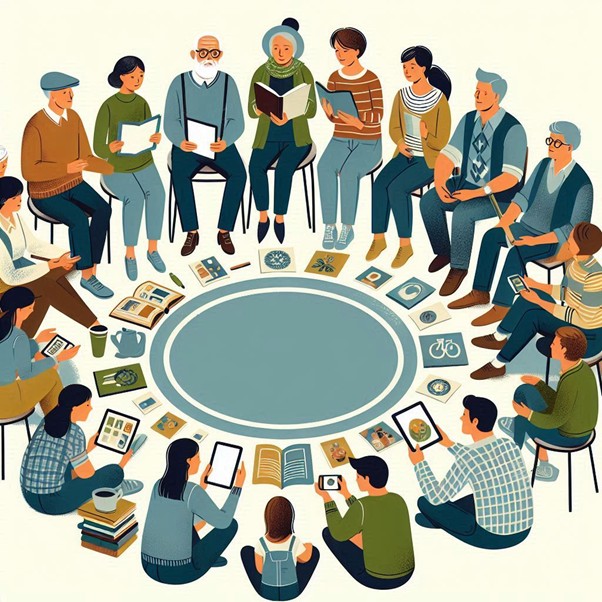
Understanding the Power of Storytelling Across Generations
Storytelling is a universal method of sharing ideas, beliefs, and experiences. Through stories, people connect, learn, and remember. Yet, when communicating across generations, the art of storytelling requires finesse, empathy, and a willingness to adapt one’s approach. In workplaces, families, and communities, effective cross-generational dialogue has become increasingly vital. With Baby Boomers, Generation X, Millennials, and Generation Z often interacting within the same environments, bridging generational gaps through storytelling is not just beneficial—it’s essential.
Why Generations Communicate Differently
Each generation is shaped by unique cultural, technological, and social influences. Baby Boomers may prefer structured narratives and value tradition, while Millennials and Generation Z are comfortable with digital media, informal language, and rapid information exchange. Understanding these preferences lays the foundation for choosing the right storytelling techniques. By appreciating what resonates with each age group, storytellers can craft narratives that inspire and engage diverse audiences.
Building Common Ground Through Shared Values
One of the most effective storytelling techniques for cross-generational communication is to identify and emphasise shared values. Regardless of age, people respond to stories that touch upon universal themes—love, resilience, justice, and hope. For example, a story about overcoming adversity can be tailored to focus on collective perseverance, appealing to the Baby Boomer’s appreciation for hard work, while also resonating with the Millennial’s desire for purpose and impact. By anchoring stories in values that transcend age, storytellers foster empathy and mutual understanding.
Adapting Language and Style to Your Audience
Language evolves with every generation. While older audiences may favour formal, grammatically precise language, younger generations often appreciate conversational tones and digital slang. Successful cross-generational storytellers pay attention to vocabulary, idioms, and references, tailoring their delivery accordingly. For instance, when recounting a workplace anecdote to a mixed-age group, balance the use of classic British idioms with contemporary expressions. Avoid jargon that might alienate some listeners, and clarify meanings as needed. This adaptability not only makes stories more accessible but also signals respect for the listener’s background.
Integrating Technology and Multimedia in Storytelling
Technological advances have dramatically transformed how stories are shared. While Baby Boomers may be accustomed to oral storytelling or printed materials, Millennials and Generation Z are digital natives, thriving on visual content, podcasts, and interactive media. Incorporate multimedia elements—such as slideshows, videos, or infographics—when engaging a cross-generational audience. For example, a family history could be presented as a digital scrapbook, blending scanned photographs and audio recordings with written narratives. This fusion of formats keeps stories dynamic and ensures that all generations can participate and relate.
Encouraging Participation and Dialogue
Storytelling is most powerful when it’s a two-way exchange. Invite listeners from different generations to share their own stories, perspectives, and interpretations. Use open-ended questions to spark conversation: “What was your experience like?” or “How did you feel during that event?” This participatory approach is particularly effective in workplace settings and community groups, where collaboration and shared understanding are crucial. By valuing each voice, storytellers create inclusive environments that celebrate generational diversity and promote learning.
Utilising Metaphors and Analogies for Clarity
Metaphors and analogies help bridge generational divides by providing familiar reference points. For instance, explaining a new technology to older audiences might involve comparing it to something they know well (“It’s like a digital version of your filing cabinet”). Similarly, younger audiences may appreciate analogies drawn from pop culture or social media. Choose metaphors wisely, ensuring they are relevant and accessible to all listeners. In doing so, complex concepts become more relatable, and the risk of misunderstanding is reduced.
Preserving and Sharing Personal and Cultural Histories
Stories rooted in personal and cultural history resonate deeply across generations. Share anecdotes from family lore, community traditions, or historical events, drawing parallels to current experiences. For example, recounting the challenges faced during the post-war era can help younger listeners appreciate resilience and adaptability, while older listeners may find comfort in seeing their legacy acknowledged. These narratives foster continuity, respect, and identity, providing valuable lessons for all ages.
Balancing Tradition with Innovation
Effective cross-generational storytelling acknowledges the importance of tradition while embracing innovation. Honour classic story structures—such as the hero’s journey, moral lessons, or fables—while introducing contemporary formats like social media threads, podcasts, or interactive workshops. This balance ensures that stories remain relevant and engaging, appealing to nostalgia while accommodating modern tastes. Encourage experimentation: perhaps a traditional tale can be retold as a podcast episode, or a family recipe passed down through a YouTube tutorial.
Mindful Listening: The Heart of Cross-Generational Storytelling
Listening is a crucial aspect of storytelling. To communicate effectively across generations, pay attention to verbal and non-verbal cues, and be willing to adjust your narrative approach in response to feedback. Older adults may appreciate a slower pace and time for reflection, while younger listeners might prefer concise, fast-moving stories. Demonstrate genuine interest in your audience’s reactions and questions, building trust and rapport. Mindful listening transforms storytelling from a monologue into a meaningful dialogue.
Case Studies: Storytelling in Action
- Workplace Mentoring: In businesses where seasoned professionals mentor younger employees, storytelling helps transfer knowledge and foster relationships. Senior staff might share stories about navigating organisational change, while younger staff offer insights into new technologies. These exchanges blend wisdom with innovation, benefiting all involved.
- Family Gatherings: Multi-generational families often use storytelling to preserve heritage and strengthen bonds. Grandparents retelling childhood tales or recounting historical events allow younger members to connect with their roots and learn valuable life lessons.
- Community Projects: Projects such as oral history recordings or public exhibitions invite residents of all ages to share experiences. These collective narratives promote social cohesion and mutual respect, celebrating the rich tapestry of generational perspectives.
Practical Tips for Effective Cross-Generational Storytelling
- Know Your Audience: Take time to understand the generational makeup of your audience. Research their preferences, communication styles, and interests to tailor your stories accordingly.
- Use Inclusive Language: Avoid slang or references that may alienate certain age groups. Strive for clarity and inclusivity, ensuring everyone feels welcome.
- Incorporate Visuals: Supplement verbal storytelling with photographs, diagrams, or videos to appeal to visual learners and younger generations.
- Encourage Interaction: Invite questions and discussion, allowing listeners to share their own stories and perspectives.
- Be Mindful of Pace: Adjust the speed and structure of your storytelling to match the audience, allowing time for reflection or lively debate as appropriate.
- Respect Differences: Acknowledge and celebrate the unique viewpoints each generation brings to the conversation.
- Preserve Stories: Consider recording or documenting stories for future generations, using digital archives, podcasts, or printed collections.
Potential Challenges and How to Overcome Them
Storytelling across generations can present challenges, such as misunderstandings, differing values, or resistance to unfamiliar formats. To address these issues:
- Facilitate Dialogue: Encourage open communication and active listening, creating a safe space for all voices.
- Seek Feedback: Regularly ask for input and adapt your approach based on audience responses.
- Remain Flexible: Be willing to experiment with new storytelling techniques and embrace change.
- Educate Yourself: Stay informed about generational trends and preferences to keep your stories relevant.
Conclusion: The Lasting Impact of Stories
Stories are bridges—connecting generations, fostering understanding, and nurturing relationships. By mastering storytelling techniques tailored to cross-generational communication, we honour the past, embrace the present, and inspire the future. Whether in boardrooms, living rooms, or community halls, the art of storytelling remains a powerful tool for unity, learning, and growth. With each tale shared across generations, we build a richer, more connected world—one story at a time.